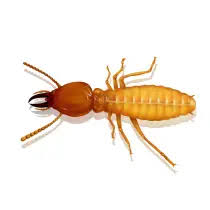
Termite Control

Protect Your Home from Ants

Termite Control Services in Wisconsin

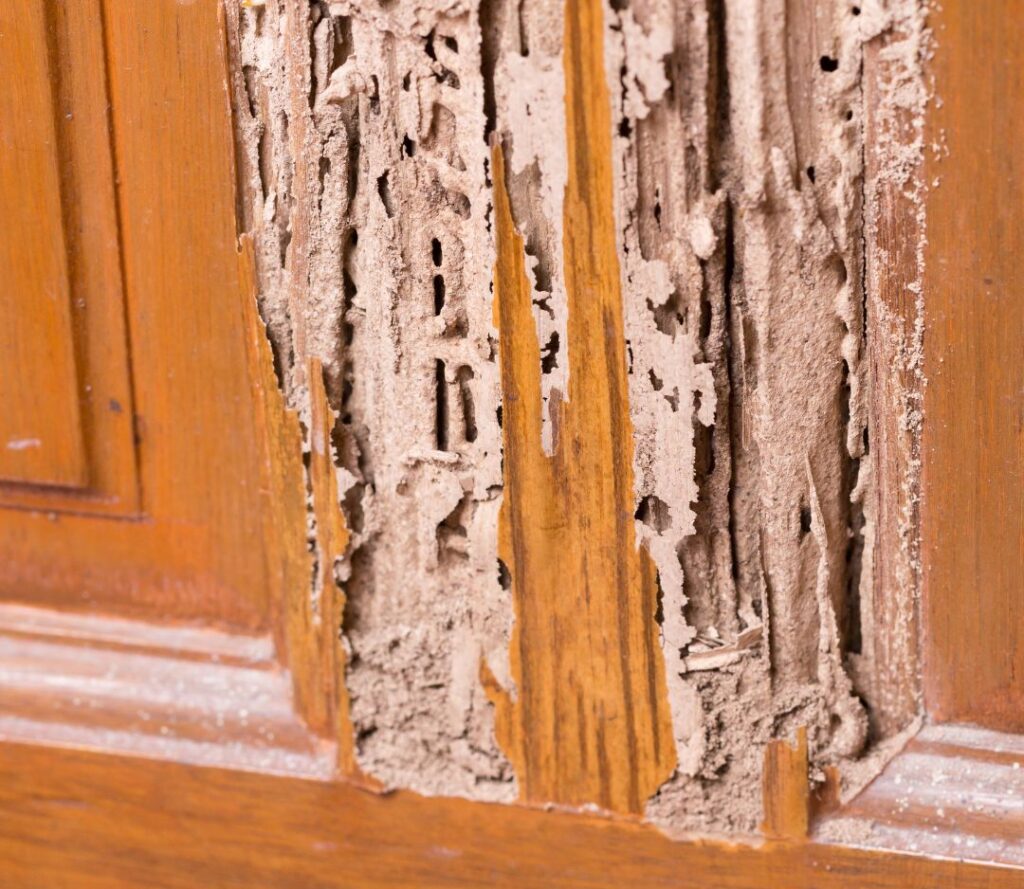
Termites can remain hidden for months or even years while causing significant damage to wood structures and other cellulose-based materials. Effective termite control requires a thorough inspection to identify active infestations, entry points, and conditions that attract termites. Professional termite treatment often combines targeted treatment methods, ongoing monitoring, and preventative measures to eliminate termite activity and help protect your property from future damage.

When it comes to termite prevention and control, addressing conducive conditions is just as important as applying treatment products. Termites are attracted to environments that provide moisture, food sources, and easy access to structural wood. Effective termite management often involves reducing excess moisture around the foundation, repairing leaks, improving drainage, eliminating wood-to-soil contact, and removing cellulose debris such as old lumber, tree stumps, and wood piles from around the property. By modifying these conditions and combining them with professional termite treatment solutions, homeowners can significantly reduce the risk of termite infestations and help protect their investment from costly structural damage.

All pests, including Termites, need three main things to exist on your property:

Pests seek these things when looking for a place to live, and by removing or limiting one or more of these aspects, you will help make your property less attractive to pests.

Protecting Your Home from Termites

Ask About Our

100% Eco-Friendly Options

Service Details

Termite Control Services at 1st Choice Pest Control

01

Initial Consultation & Inspection

02

Identification of Ant Species

03

Customized Treatment Plan

04

Environmental Modifications

05

Follow-Up Services

06

Customer Education

07

Ongoing Support

Why Choose Us?

Large Service Area

3 ants

Why Choose 1st Choice Pest Control?

Multi-Service Discounts Available

Frequently Asked Questions

The most common termite species are subterranean termites, drywood termites, and dampwood termites. A professional inspection can identify the species and determine the most effective treatment plan for your property.

Common signs of a termite infestation include mud tubes along foundations, discarded wings near windows or doors, hollow-sounding wood, and visible wood damage. Early detection is important to help prevent costly structural repairs.

The most effective termite treatments include liquid barrier treatments, baiting systems, and targeted applications based on the type and severity of the infestation. A professional termite inspection can determine the best solution for long-term protection.

You can help prevent termites by reducing moisture around your foundation, repairing leaks, eliminating wood-to-soil contact, and removing wood debris near your property. Regular termite inspections can also help identify potential issues before they become serious infestations.

Types of Ants

There are many different species of ants that come in a variety of shapes and sizes. Some of the most common ants in Central Wisconsin are:

The Black carpenter ants are known to forage up to 100 yards in search of food. Workers are most active at night, traveling from their nest to a food source following trails. The ants produce crackling sounds that can often be heard near a large nest. A large colony can have thousands of individuals. The black carpenter ant does not sting, but the larger workers can administer a sharp bite, which can become further irritated by the injection of formic acid. In their natural environment, carpenter ants nest in dead trees and other deadwood. This enhances decay, which has ecological benefits. However, the ant achieves pest status when a colony invades the wood of a house or other structure, damaging its structural integrity.

Pharaoh workers are about 1/16-inch, or 2.0 millimeters, in length. They are light yellow to reddish-brown in color with a darker abdomen. Pharaoh ant workers have a non-functional stinger used to generate pheromones. The petiole (narrow waist between the thorax and abdomen) has two nodes and the thorax has no spines. Pharaoh ant eyesight is poor and they possess on average 32 ommatidia. The antennal segments end in a distinct club with three progressively longer segments. This ant can be found almost anywhere in the world. It is a major pest in the United States, Australia, and Europe.

The pavement ant, Tetramorium caespitum is an ant native to Europe, which also occurs as an introduced pest in North America. Its common name comes from the fact that colonies in North America usually make their homes in the pavement. It is distinguished by one pair of spines on the back, two nodes on the petiole, and grooves on the head and thorax. During early spring, colonies attempt to conquer new areas and often attack nearby enemy colonies. These result in huge sidewalk battles, sometimes leaving thousands of ants dead. Because of their aggressive nature, they often invade and colonize seemingly impenetrable areas outside their native range. In summer, the ants dig out the sand in between the pavements to vent the nests.

The Odorous House Ant (Tapinoma sessile) is a native species, found throughout the United States. It earns its name by producing a foul, "rotten coconut" odor when crushed. They are often confused with the pavement ants, but has only 1 node. They forage day and night The nests can occur in a great variety of situations. Inside, these Ants usually construct their nests in wall voids, especially around hot water pipes and heaters, in crevices, sinks, cupboards, etc. Outside they are found in exposed soil, usually shallow, often located beneath a board, brick, stone walk, etc. They are most likely to enter buildings when their honeydew supply or sweet supply of food is reduced by natural occurrences such as rainy weather or autumn leaf fall.

The Allegheny mound ant Formica exsectoides is a species of ant native to the Atlantic area of North America. Its range extends from Nova Scotia to parts of Georgia. Like other field ants, the Allegheny mound ant builds large mounds, however, this species tends to build some of the largest. Aside from the mounds, the ants also act as pests by killing vegetation within 40 to 50 feet of their mounds. The ants inject formic acid into surrounding plants, killing small trees and shrubs. The Allegheny mound ant's appearance is very striking: both its head and thorax are red-orange; its gaster is black-brown. The ant's colonies are complex. Several different mounds may be interconnected. The tunnels may extend 3 feet into the ground and 4 feet upwards in the mound. The mound serves as a solar incubator for the eggs and larvae. Unlike most other ants, Allegheny mound ants have multiple queens. Maturation from egg to adult takes 2.5–3 months. They hunt a wide assortment of arthropods as a protein source and collect aphid honeydew as a source of sugars.

Sanitation Tips

Pests seek these things when looking for a place to live, and by removing or limiting one or more of these aspects, you will help make your property less attractive to pests.